
Renewable Measures Explained
Do you want to apply for a renewable energy retrofit grant?
Your New Renewable Energy System
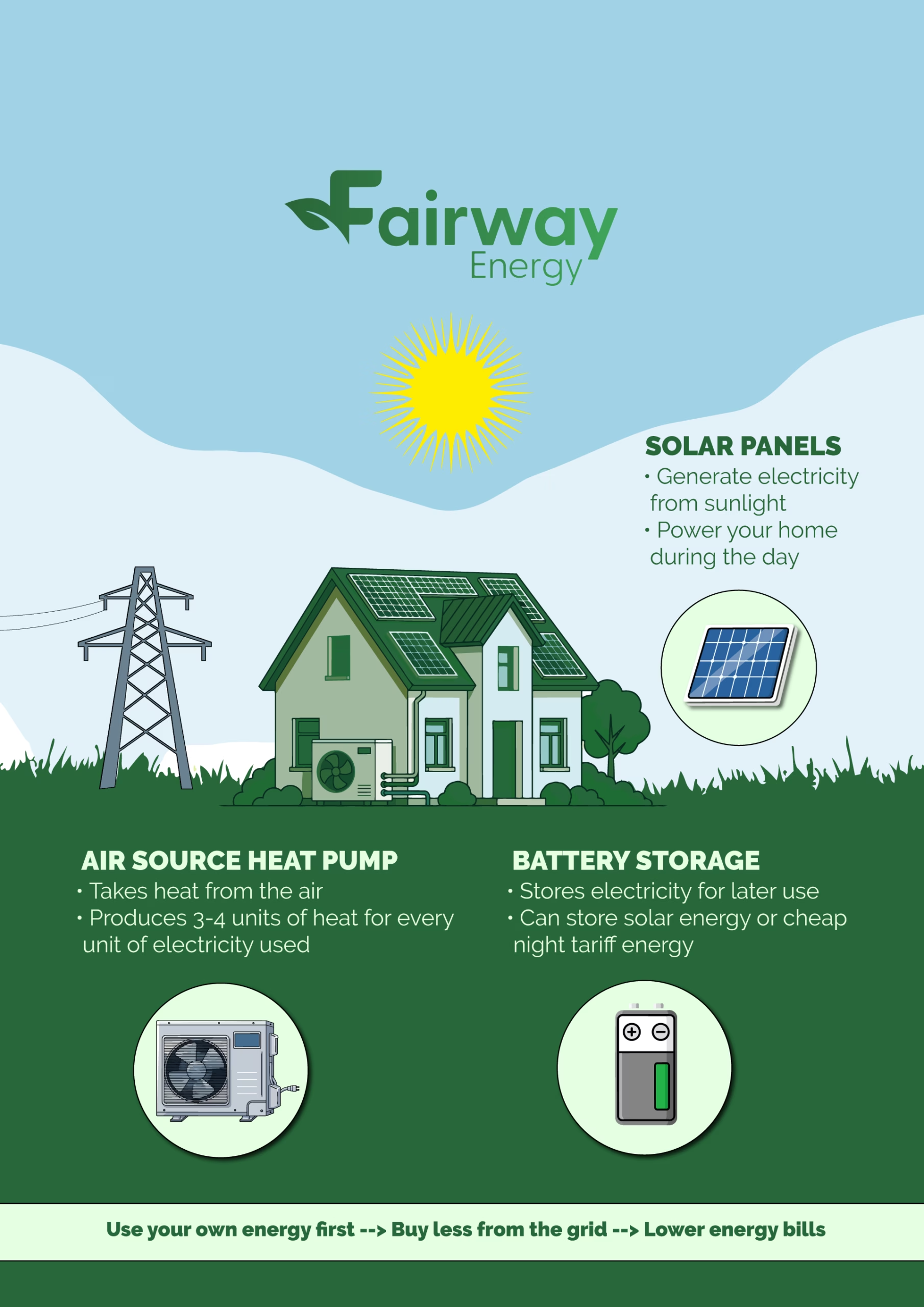
Qualifying for a new renewable energy system for your home can greatly improve your living conditions. A renewable energy retrofit upgrade will help you and your family enjoy a warmer, more energy-efficient home while reducing your reliance on traditional energy sources. By combining technologies such as an air source heat pump, solar panels and battery storage, your home will be able to generate, store and use energy more intelligently. Not only can this help reduce your household energy costs, it also supports the UK’s transition to cleaner energy and a more sustainable future for everyone.
The Key Benefits
 Lower Energy Bills
 Generating and using your own energy can reduce the amount of electricity you need to buy from the grid.
 Efficient Home Heating
 Air source heat pumps can deliver around 3–4 units of heat for every unit of electricity used, helping heat your home more efficiently.
 Use Free Solar Energy
 Solar panels produce renewable electricity during the day that can power your home and charge your battery.
 Store Energy for Later
 Battery storage allows you to store solar energy or lower-cost electricity and use it when you need it most.
 Reduce Your Carbon Footprint
 Renewable technologies help reduce reliance on fossil fuels, supporting cleaner air and protecting the environment.
Smart Home Energy Flow
1. Solar First
Your system will prioritise using the electricity generated by your solar panels during the day. This means your home will use free renewable energy first, reducing the amount of electricity you need to buy from the grid.
2. Battery Second
Your battery stores electricity so it can be used later when your home needs it most. It can store excess energy generated by your solar panels during the day, allowing you to use that free electricity in the evening or when solar generation is lower.
The battery can also charge overnight using cheaper off-peak electricity tariffs, storing lower-cost energy for use during the day. This helps reduce the amount of electricity you need to buy from the grid at higher daytime rates and makes better use of the energy available to your home.
4. Standard Use Fourth
After benefiting from free solar energy during the day and lower-cost electricity stored in your battery, your heat pump continues to provide efficient heating during normal operation.
Air source heat pumps typically deliver around 3–4 kWh of heat for every 1 kWh of electricity used, depending on conditions.
By comparison, a gas boiler usually operates at around 85– 90% efficiency, meaning some of the energy used is lost during combustion.
3. Cheap Tariff Use Third
Choosing the right electricity tariff means that when you need to use grid electricity, you can do so at a lower cost. For example, your battery can recharge overnight when electricity prices are cheaper and use that stored energy during the day.
Example: If electricity costs 7p per kWh overnight and 12p per kWh during the day, your battery can recharge at the lower night rate and supply your home during the day, helping reduce your overall electricity costs.
Appliance Energy Use
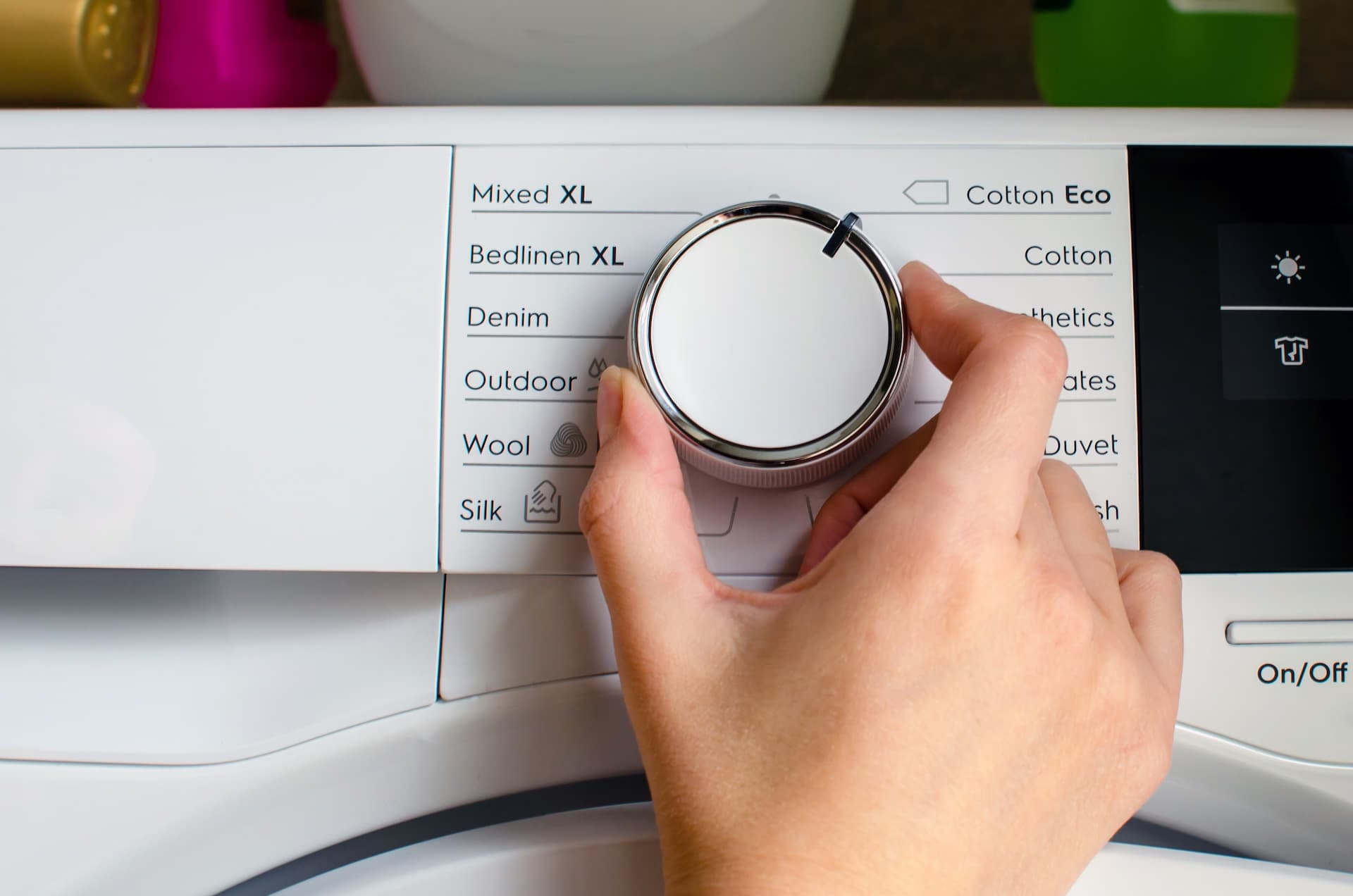
Different household appliances use varying amounts of electricity depending on their size, power rating and how long they are used for. Some appliances, such as kettles and electric showers, use a large amount of power over a short period, while others like televisions or lighting use smaller amounts of electricity over longer periods.
Being aware of how much energy common appliances use can help you plan when to run them. By spreading energy use throughout the day and making use of solar generation and stored battery energy where possible, you can reduce the amount of electricity you need to buy from the grid and maximise your energy savings.
| Appliance | Typical Use | Average Use | Energy Use Level |
| Washing Machine | Per wash cycle | 0.5 – 1 kWh | Medium |
| Tumble Dryer | Per drying cycle | 2 – 4 kWh | High |
| Dishwasher | Per wash cycle | 1 – 1.5 kWh | Medium |
| Electric Oven | 1 hour cooking | 2 – 2.5 kWh | High |
| Kettle | Per boil | 0.1 – 0.15 kWh | Medium (short duration) |
| Microwave | 15 minutes use | 0.2 – 0.3 kWh | Low |
| Electric Shower | 10 minute shower | 1 – 1.7 kWh | High |
| Vacuum Cleaner | 30 minutes use | 0.3 – 0.5 kWh | Medium |
| Air Fryer | 30 minutes use | 0.6 – 1 kWh | Medium |
| Induction Hob (per ring) | 30 minutes cooking | 0.5 – 1 kWh | Medium |
| Fridge Freezer | Per day | 0.8 – 1.2 kWh | Medium (continuous) |
| Television | 4 hours viewing | 0.2 – 0.6 kWh | Low |
| Laptop | 8 hours use | 0.2 – 0.4 kWh | Low |
| LED Lighting (whole house) | Per day | 0.2 – 0.4 kWh | Low |
Figures shown are typical estimates. Actual electricity use will vary depending on the appliance manufacturer, model, efficiency rating, settings and how the appliance is used.
Staggering Your Usage
Getting the most out of your new renewable energy smart home is about thinking a little differently about how and when you use energy. By making small changes to everyday habits, you can maximise the amount of free solar energy your home uses and reduce the amount of electricity you need to buy from the grid.
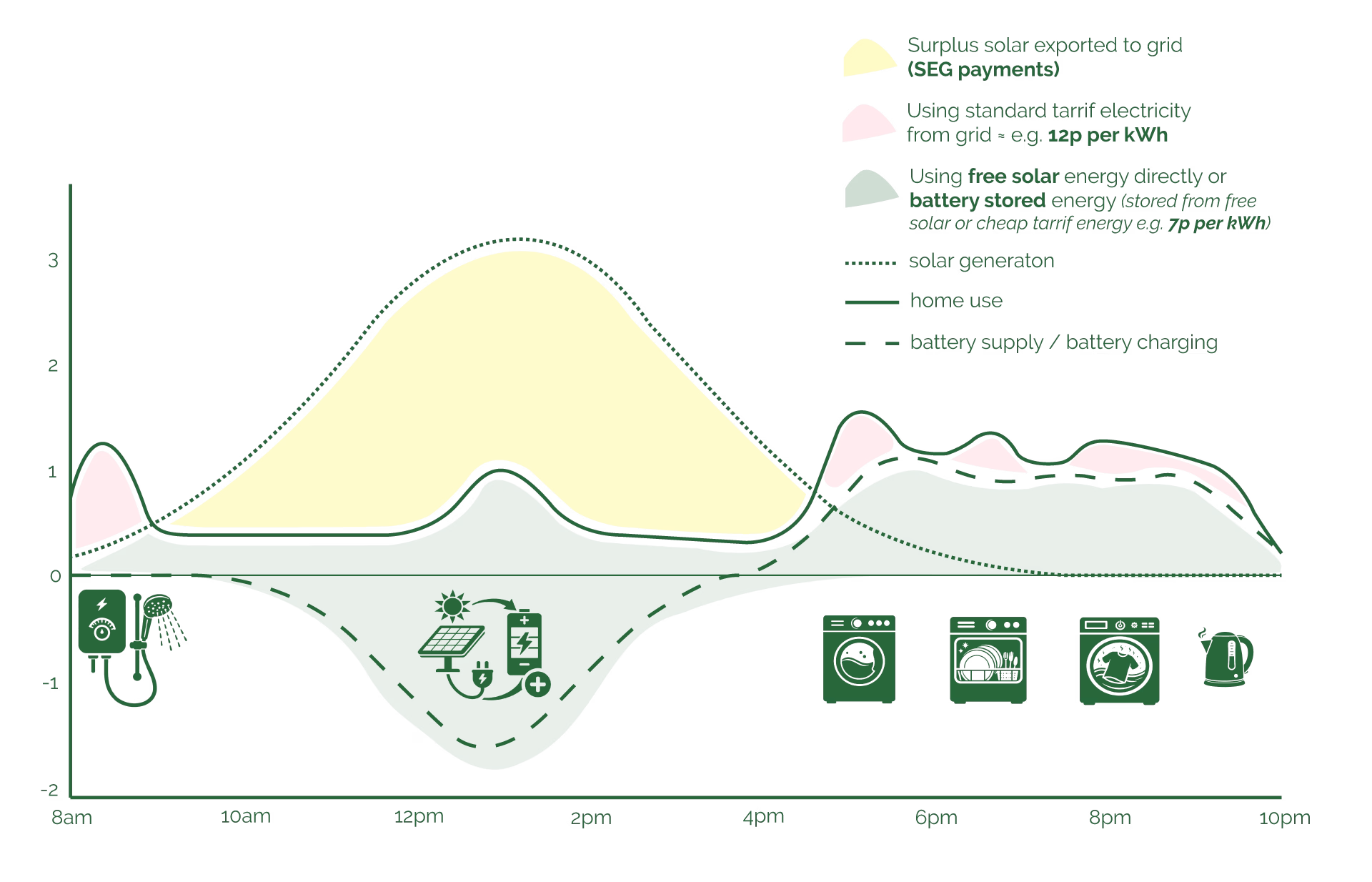
One simple way to do this is by staggering the use of larger appliances, such as dishwashers, washing machines and tumble dryers, rather than running them all at the same time. Spreading your energy use throughout the day helps your home make better use of the electricity generated by your solar panels, while also allowing your battery to charge using any excess solar energy that is not immediately needed.
You can also make use of appliance timers or delayed start settings to schedule when appliances run. This allows them to operate when solar generation is highest or when cheaper electricity tariffs may be available.
Taking this smarter approach to energy use helps your system work more efficiently, saving you money and making the most of your renewable energy.
Example of Staggered Use
Staggering your energy use throughout the day helps reduce the amount of electricity you need to buy from the grid. By spreading appliance use, you can make better use of free solar energy and cheaper stored battery energy, helping to maximise savings on your energy bills.
Example Without Staggered Use
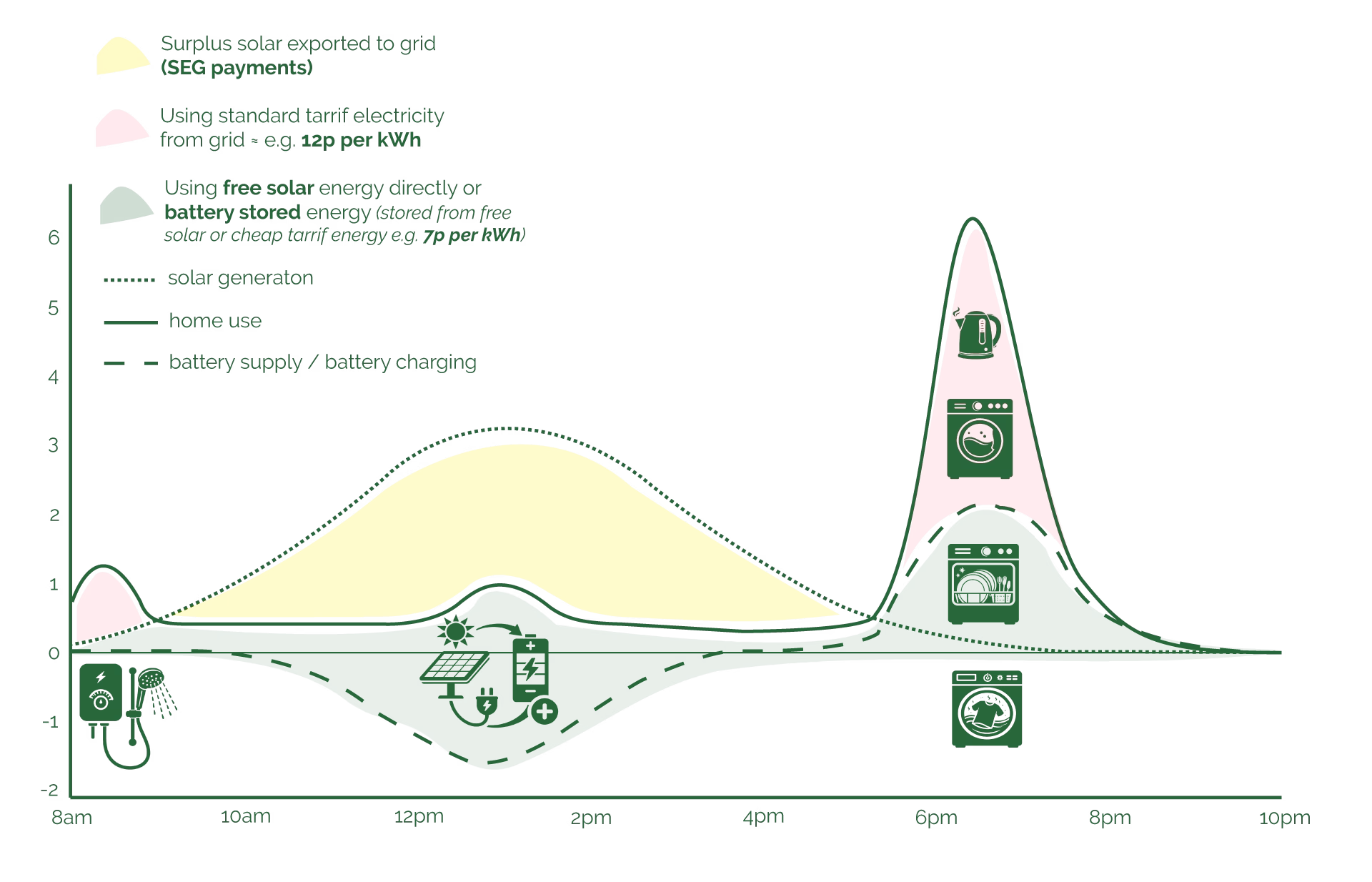
Without staggered use, peak energy demand can exceed the energy available from solar panels and stored battery power. This means more electricity must be imported from the grid at the standard rate per kWh, resulting in lower overall savings compared with staggered energy use.
(Standard tariff e.g. 12p/kWh)
Seasonality
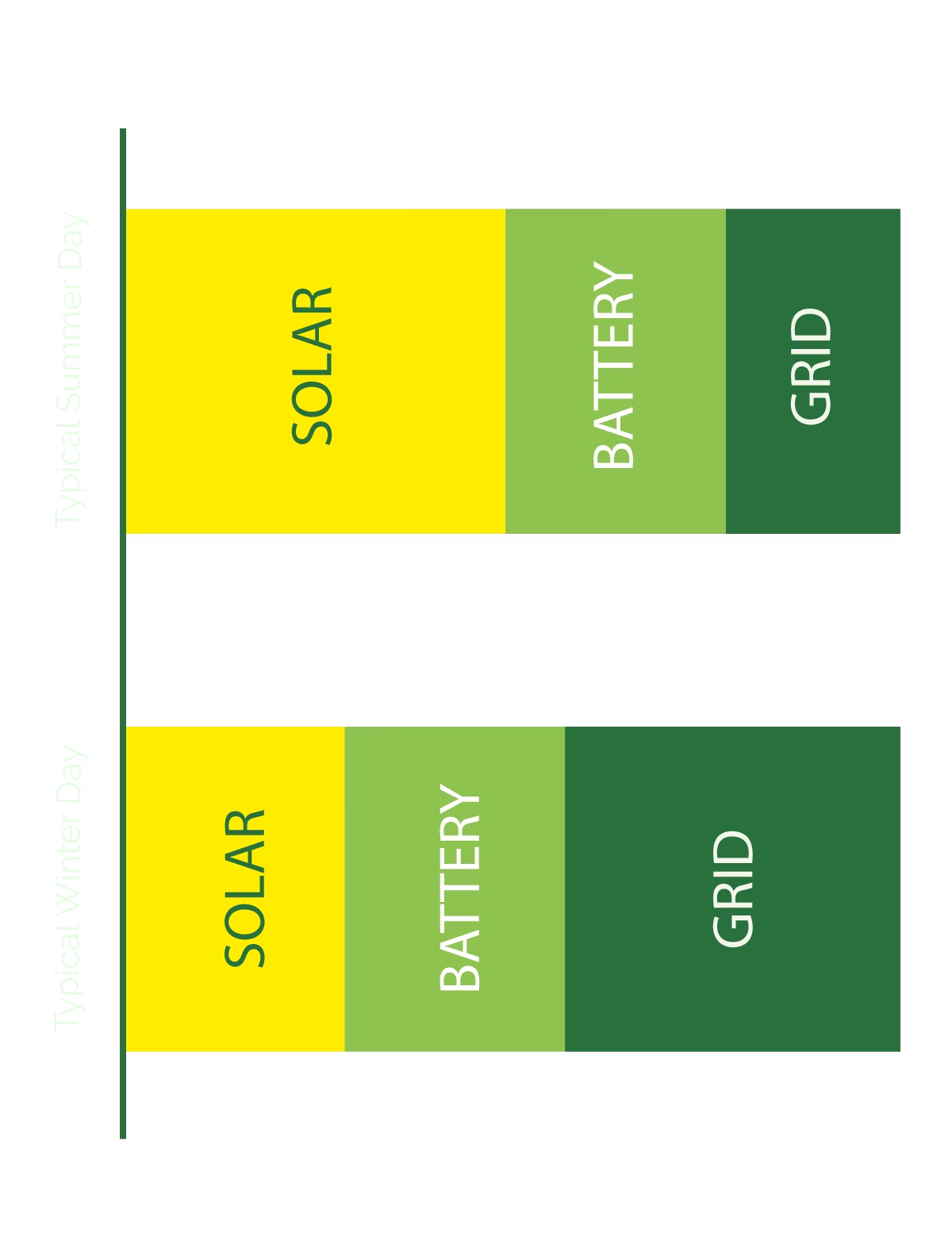
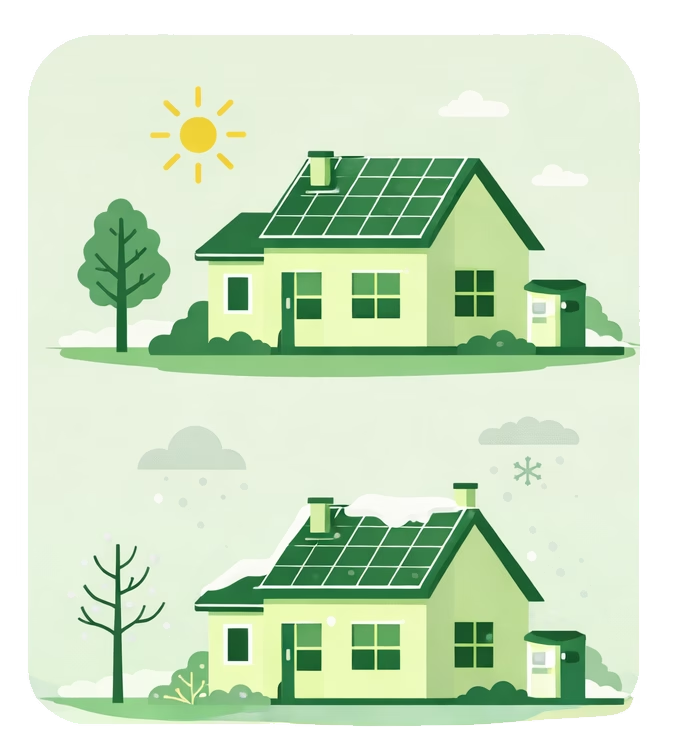
Solar generation is higher in the summer months, meaning more of your home’s energy comes from solar and battery storage. In winter, solar production is lower and more electricity may be imported from the grid. For this reason, bill savings are best viewed and calculated over the course of a full year.
Renewable System Myths
There’s a lot of conflicting and sometimes inaccurate information online about heat pumps and solar panels, which can make it difficult to know what to trust. This guidance brings together clear, reliable information to help you separate fact from fiction and feel confident as you move forward with your renewable energy retrofit.