
Ventilation in the Home
The Importance of Ventilation in the Home
Ensuring proper ventilation in the home is crucial for maintaining good air quality, preventing condensation and mould, and improving overall comfort. When receiving energy efficiency improvements, such as insulation or heating system upgrades, ventilation enhancements are vital to ensure the home remains healthy and compliant with building regulations.
This article explores the importance of ventilation, the role of trickle vents, extractor fans, and other measures, such as adjusting interior doors, to maintain balanced airflow and prevent moisture-related issues in an energy-efficient home.
Why Ventilation Matters in an Energy-Efficient Home
With the UK government’s push for better insulation and airtight homes through retrofit schemes, ventilation becomes more important than ever. While insulation helps retain heat, it also reduces natural airflow, which can lead to:
Trapped moisture can accumulate on walls, windows, and ceilings, leading to damp and mould growth. This can occur from daily household activities such as drying clothes inside, cooking, and washing. Therefore, adequate ventilation reduces excess moisture, preventing mould growth and structural damage, and eliminates unpleasant odours.
Without fresh air circulation, pollutants, allergens, and even CO₂ can build up indoors. Therefore, proper ventilation creates better airflow.
Mould and dampness contribute to respiratory problems, allergies, and other health issues. Therefore, adequate ventilation ensures cleaner air quality, helping with respiratory health conditions and improving overall health.
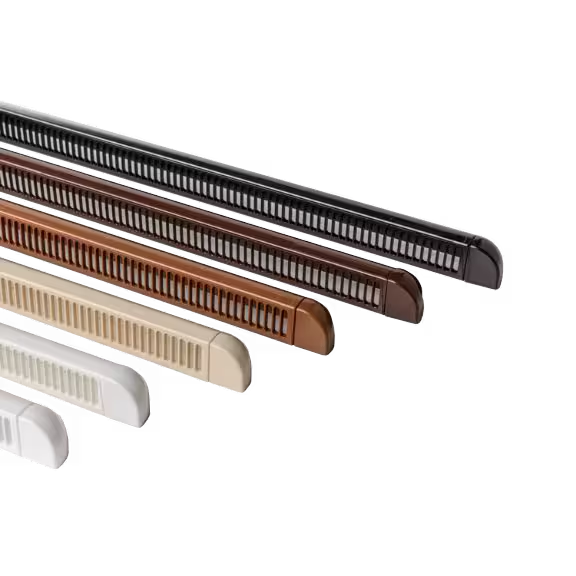
Trickle Vents: A Simple Yet Effective Ventilation Solution
Trickle vents are small openings in window frames that allow a controlled amount of fresh air to enter the home, even when windows are closed.
Why Are They Important?
Compliance and Trickle Vents
If insulation is installed as part of retrofit upgrades, trickle vents must be installed to ensure adequate ventilation.
Installation Considerations:
- Size and location – Trickle vents should be appropriately sized based on room size and usage.
- Maintaining effectiveness – Residents should keep vents open, especially in winter, to prevent condensation.
Extractor Fans: Essential for Targeted Ventilation
Certain areas of the home, such as bathrooms and kitchens, generate high levels of moisture and pollutants. Without adequate ventilation, excess humidity can cause damp and mould.
Types of Extractor Fans
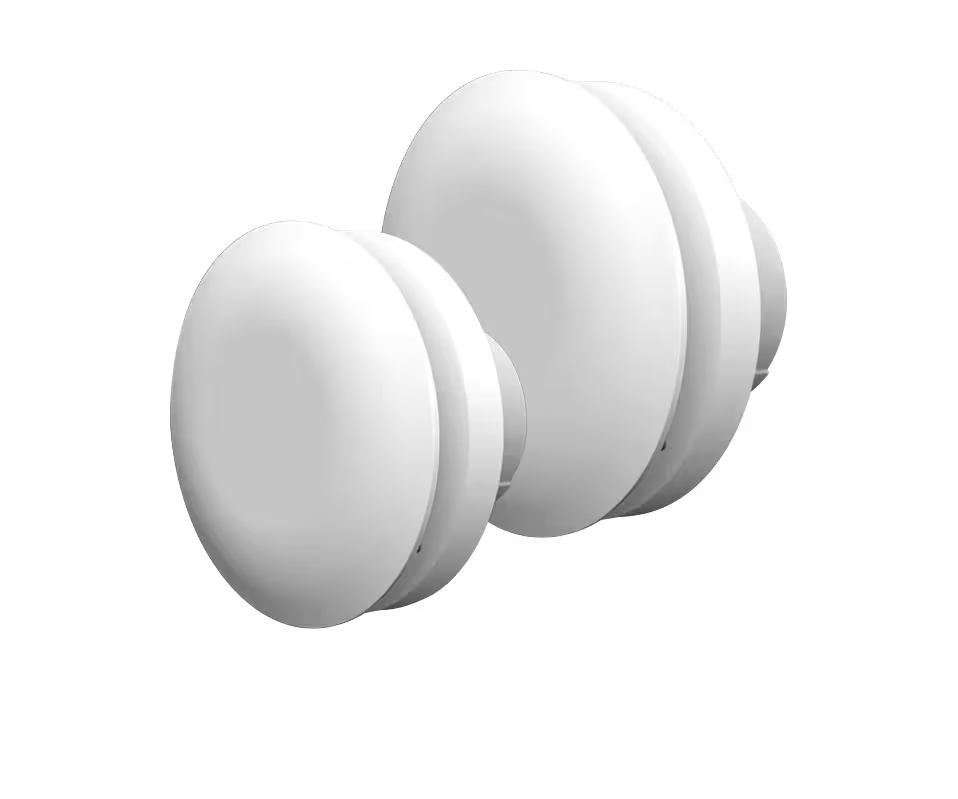
Extractor Fan Placement and Considerations
- Bathrooms – Must have fans that extract at a minimum rate of 15 litres per second.
- Kitchens – Recommended to have an extractor hood over the hob or a fan extracting at least 30 litres per second.
- Utility Rooms – Require extraction if they contain appliances generating moisture.
During retrofit installations, new insulation and heating improvements can make the home more airtight, so extractor fans may need upgrading to meet regulations.
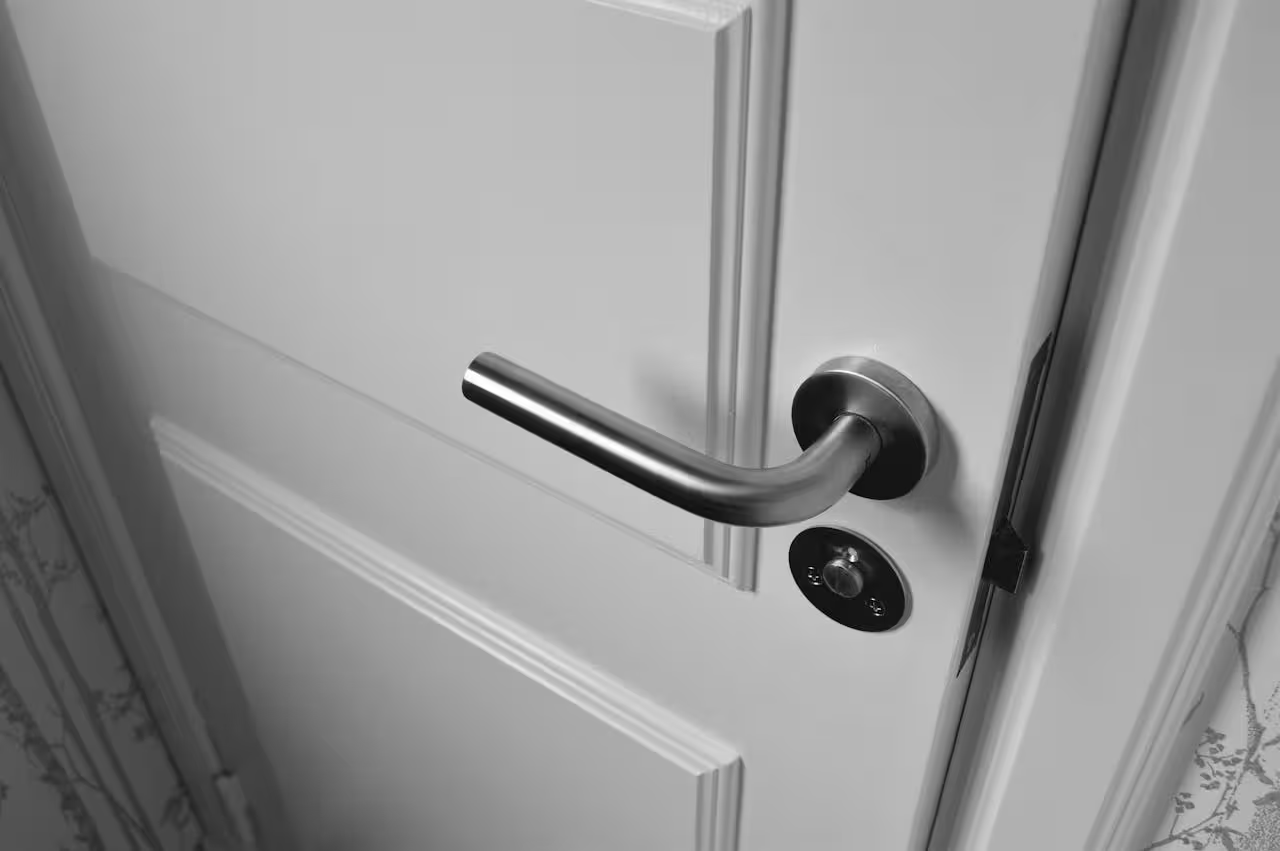
Adjusting Interior Doors for Better Airflow
Why Door Gaps Matter for Ventilation
Many modern homes have well-sealed rooms, but for effective airflow, air needs to move freely between spaces. If doors are too tight against the floor, air circulation may be restricted.
Ensuring Compliance with Building Regulations
When receiving home improvements, ventilation must meet UK Building Regulations Part F to prevent unintended issues such as damp, mould, or poor air quality. Installers should:
Conclusion: Ventilation is Key to a Healthy, Energy-Efficient Home
It is essential that ventilation is not overlooked. Proper airflow prevents damp, mould, and poor indoor air quality, ensuring that energy-saving measures truly benefit householders.
Key takeaways:
- Trickle vents provide essential background ventilation.
- Extractor fans remove excess moisture in bathrooms and kitchens.
- Door adjustments improve internal airflow.
- Whole-house ventilation may be needed for highly insulated homes.
- Building regulations ensure ventilation remains a priority.
By ensuring a balanced approach to insulation and ventilation, residents can enjoy a warmer, healthier, and more energy-efficient home.