
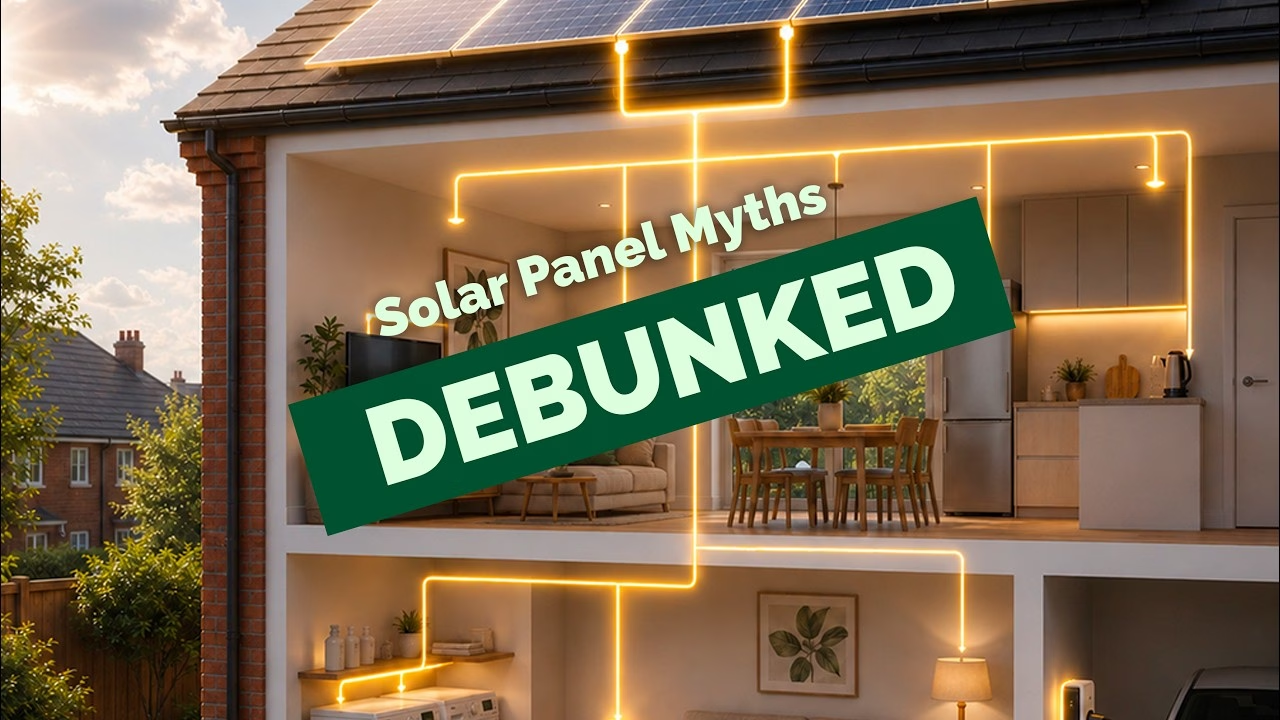
Solar Panel Myths – DEBUNKED
Solar energy has become one of the most popular ways for homeowners to reduce their electricity bills and lower their carbon footprint. However, despite its growing popularity, there are still many misconceptions about how solar panels work and whether they are worthwhile installing at your home. From concerns about cloudy weather and winter performance to questions about maintenance, batteries and power cuts, it’s easy to see why many people feel uncertain about going solar. In this video and article, we separate fact from fiction by addressing 10 of the most common solar myths and explaining what residents really need to know before making the switch to renewable energy.
Do solar panels only work when it’s sunny?
No – solar panels generate electricity from daylight, not just direct sunlight. They will still produce energy on cloudy or overcast days, although output may be lower than on bright sunny days.
Do solar panels stop working in winter?
No – solar panels continue to generate electricity throughout the year. While generation is higher in the summer due to longer daylight hours, panels still produce useful electricity during winter months.
Will solar panels work during a power cut?
In most cases, standard grid-connected solar systems will automatically shut down during a power cut to protect utility workers and the electricity network. If your system includes battery storage with backup functionality, it can continue supplying power to your home during an outage. Without a battery and backup setup, your solar panels alone will not provide electricity during a power cut.
Are solar panels too expensive to be worth it?
Solar panels can significantly reduce electricity bills by generating your own power. Many households see long-term savings over the lifetime of the system, which can typically last 25 years or more.
Do solar panels need constant maintenance?
No – solar panels require very little maintenance. Rain usually keeps them clean, and they contain no moving parts. Periodic checks or occasional cleaning may help maintain optimal performance.
Do solar panels damage your roof?
No – when installed correctly by qualified installers, solar panels are securely mounted and designed to protect the roof structure. Professional installation ensures the system is safe and weatherproof.
Do solar panels make your house look unattractive?
Modern solar panels are designed to be sleek and discreet. Many homeowners find that they blend well with the roof and can even increase the appeal of a property.
Do solar panels store electricity?
Solar panels generate electricity but do not store it. If your system includes a battery, excess electricity generated during the day can be stored and used later when solar generation is lower.
Are solar panels bad for the environment to produce?
While energy is used during manufacturing, solar panels generate clean electricity for decades. Over their lifetime, they offset far more carbon emissions than were produced during their manufacture.
Do solar panels only power certain appliances?
No – solar panels generate electricity that can be used throughout your home just like electricity from the grid. It can power lighting, appliances, heating systems and other electrical devices.
As solar technology continues to improve, many of the concerns people have about solar panels are based on outdated information or common misunderstandings. The reality is that modern solar systems are reliable, low-maintenance and capable of generating clean electricity throughout the year, even in the UK’s variable climate. By understanding the facts behind these common myths, residents can make more informed decisions about whether solar is right for their home. If you have any questions about solar panels, battery storage or the potential savings for your home, get in touch with our team for expert advice and guidance.

Gary is the Operations Manager at Fairway Energy and a specialist in renewable energy and technology, with over 15 years’ experience. He has in-depth expertise in energy-efficient measures for residential properties and UK government-backed grant schemes and funding.