
How to Prepare Your Home Before Retrofit Installation
Prepare your home before retrofit installation with clear guidance on what to expect during the process. Whether you’re having a heat pump installed, loft or wall insulation fitted, or solar panels added to your property, taking the right steps beforehand helps ensure a smoother installation. This home retrofit preparation guide explains how to get your property ready, what access may be needed, and how to prepare for temporary disruption to heating, hot water, or electricity during the work.
What To Expect During Your Retrofit Journey

What Measures May Be Installed?
The following measures are indicative only, and the final measures suitable for your property will be determined following completion of a home survey.
Fabric
- Cavity Wall Insulation
- Flat Roof Insulation
- Internal Wall Insulation
- Loft Insulation
- Park Home Insulation
- Room-In-Roof Insulation
- External Wall Insulation
- Underfloor Insulation
- Draught Proofing
- High Efficiency Windows & Doors
Low Carbon Heating
- Air Source Heat Pump
- Solar PV
- PV Battery
- Smart controls
- High Heat Retention Storage Heater
Before Retrofit Installation: How to Prepare Your Home
We want your installation to run smoothly and with as little disruption as possible. The following guidance explains how to prepare your home and what to expect.
Access to Work Areas
Our installers will need safe, clear access to the areas where work is taking place, please:
- Clear access to the room or cupboard where your heating equipment is located or will be installed (for example a utility room, airing cupboard, or garage)
- Remove stored items from lofts and work areas
- Move furniture or fragile items away from walls where work is planned
- Move vehicles away from driveways or access points if possible
- Keep pets safely away from work areas
We use protective coverings, but some dust and noise are unavoidable.
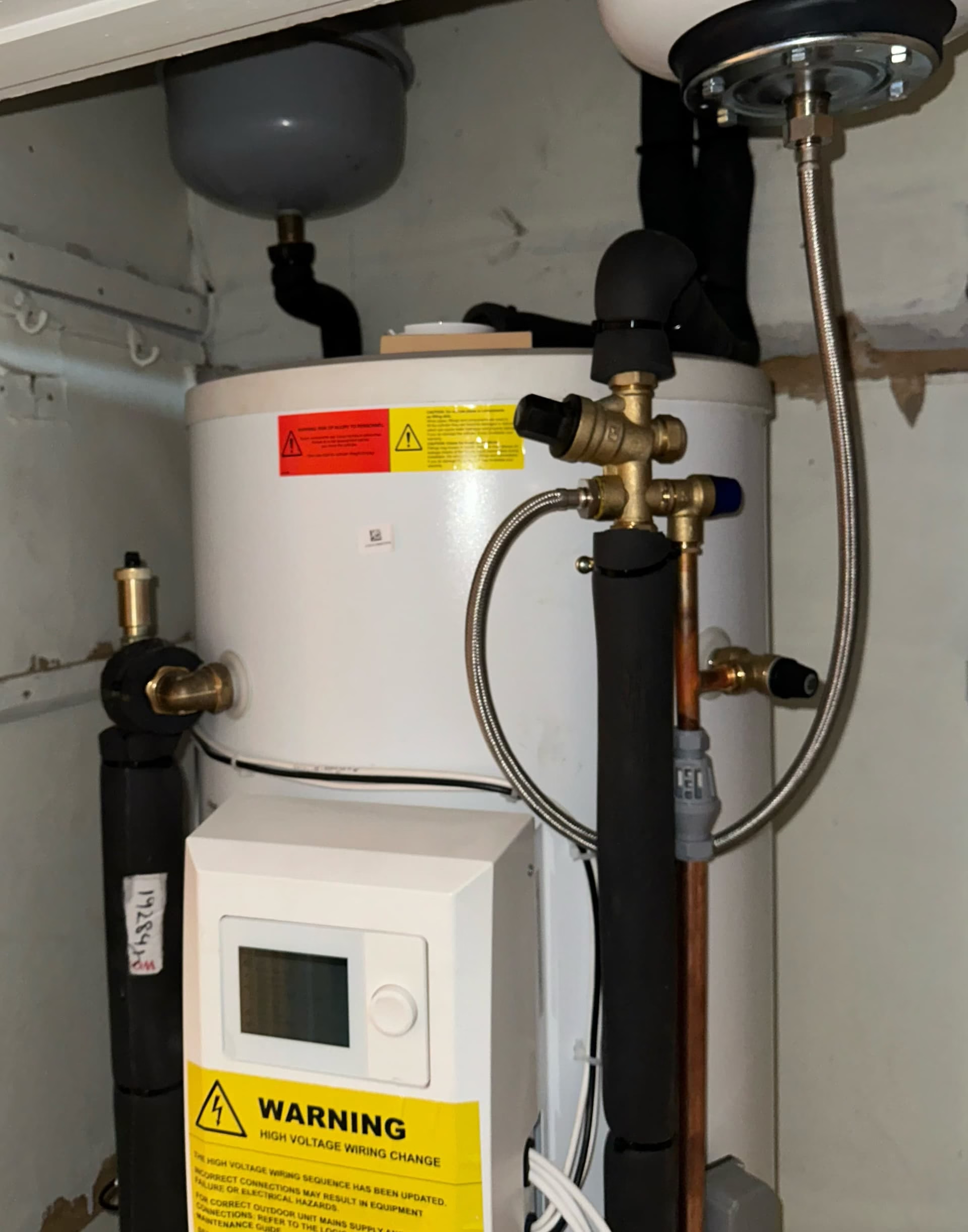
How to Prepare for Heating Installation
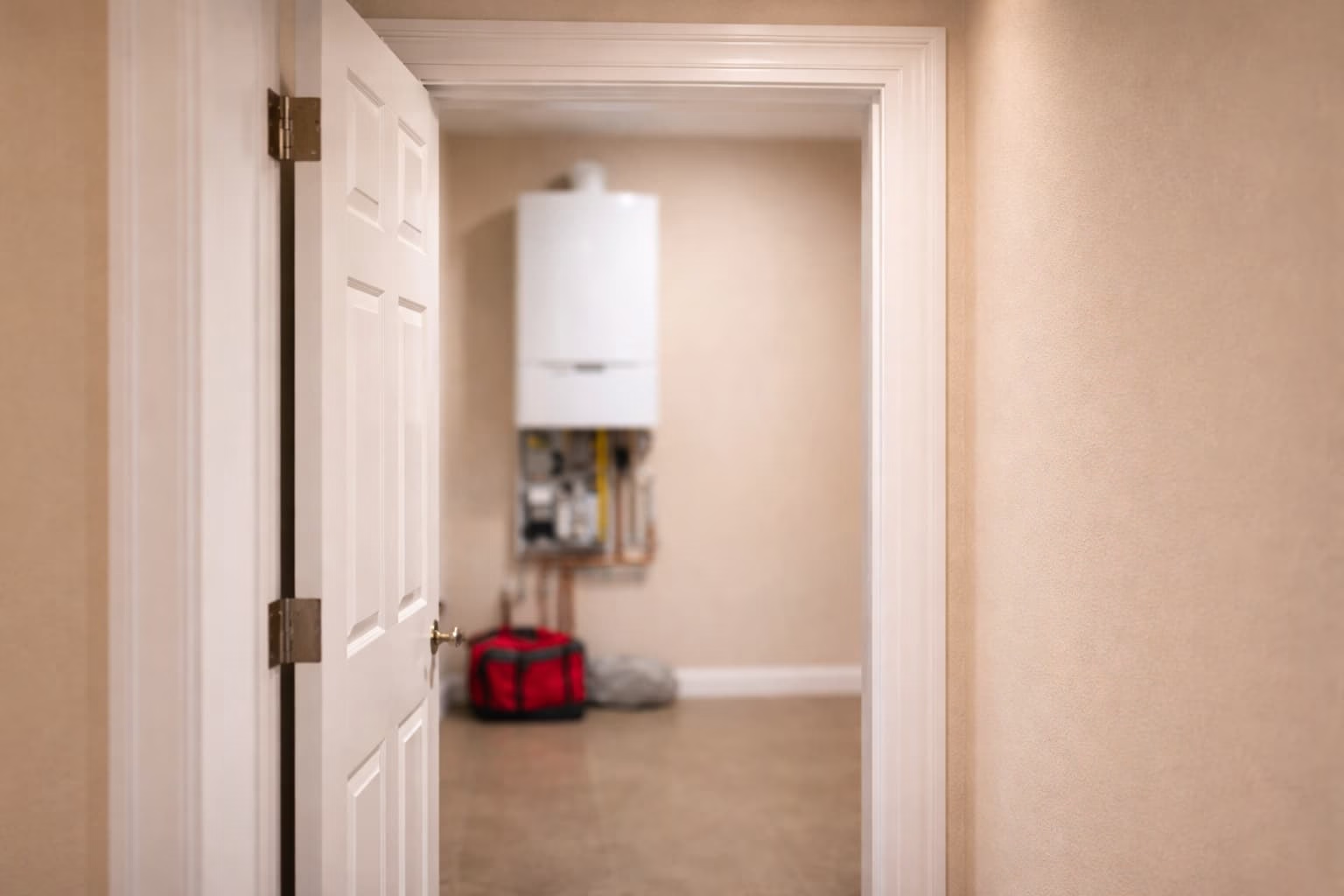
If you are having a heat pump or heating upgrade installed:
- Clear the space around your current boiler or hot water tank
- Expect temporary interruptions to heating and hot water
- Label any heating controls you regularly use
- Let us know about any existing issues with your heating system
Some pipework or radiators may need adjusting or replacing to improve efficiency.
Electrical Preparation
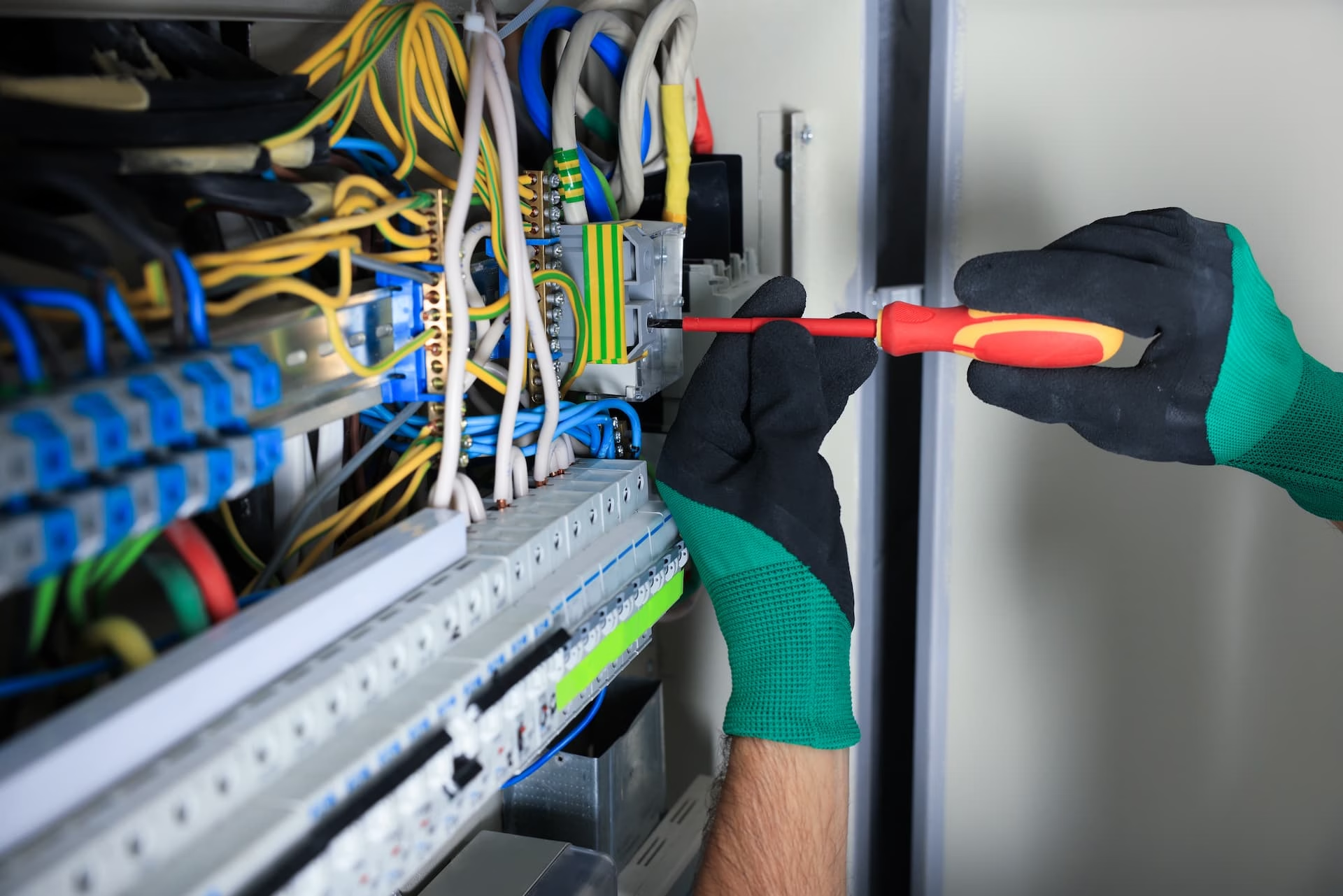
During installation:
- There may be short power interruptions
- We’ll need access to your fuse box (consumer unit)
- Internet access may be required for smart controls or monitoring
Please let us know in advance if you’ve had any recent electrical problems.
Preparing for Loft & Insulation Installation
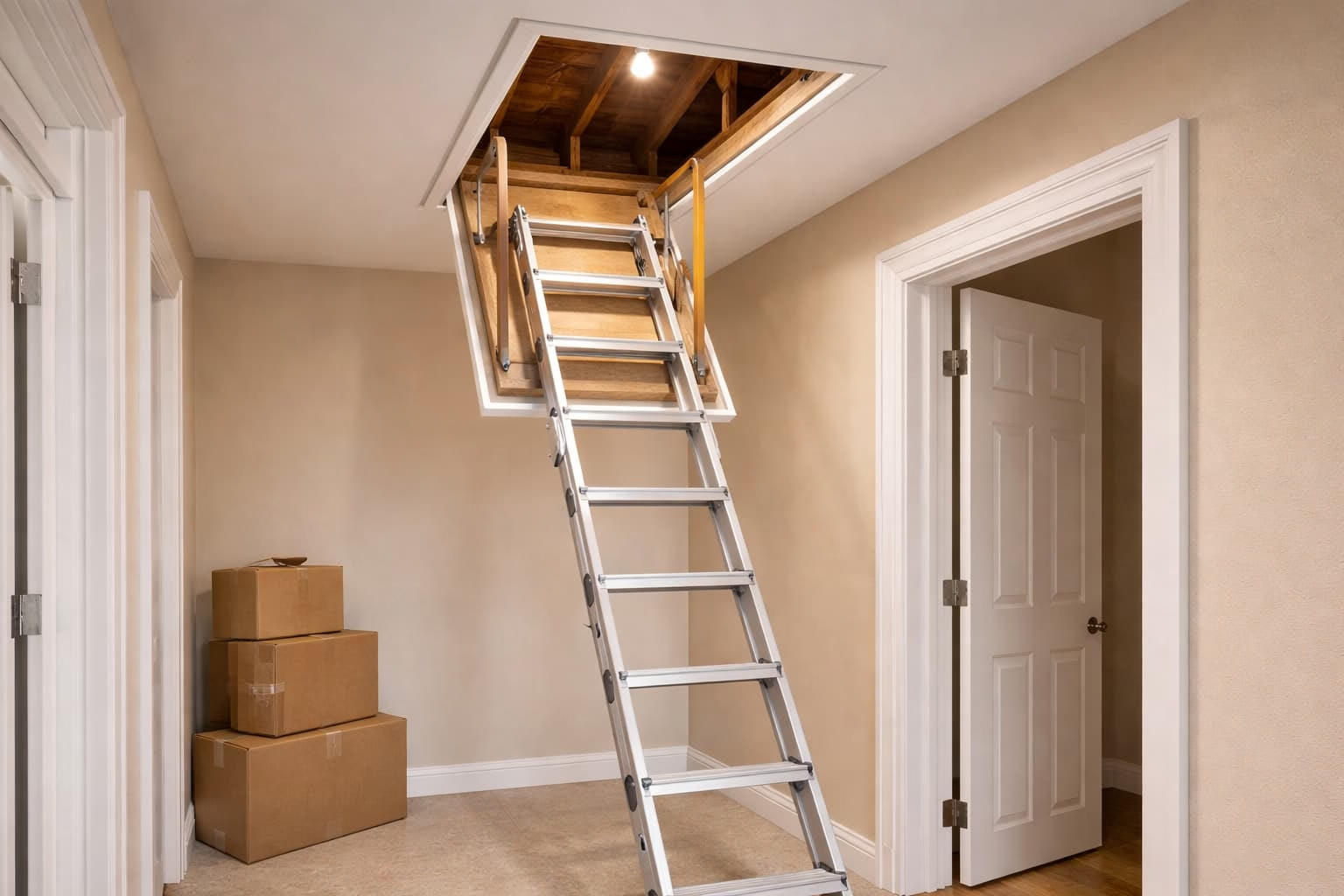
If loft insulation is being installed:
- Remove stored items from loft spaces
- Ensure the loft hatch is accessible
- Tell us if you’re aware of any fragile ceilings or asbestos concerns
New insulation may increase loft depth and could reduce storage space unless boarding is added.
What to Do Before Solar Panel Installation
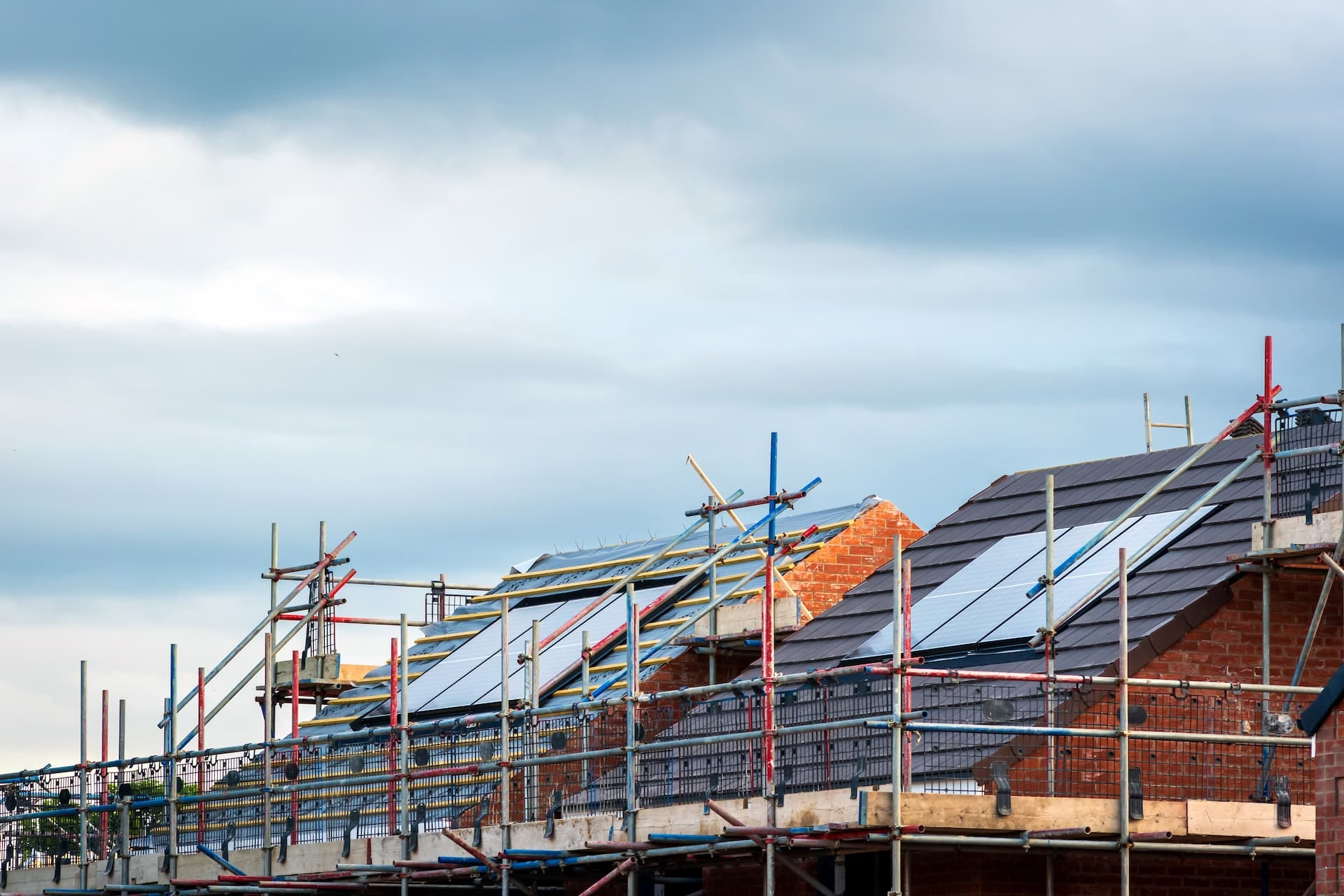
If you are having solar panels installed:
- Ensure safe access to your driveway or outside space for scaffolding
- Let us know about any known roof issues
- Trim overhanging branches where possible
Scaffolding may remain in place for several days, and there will be some roof noise during installation.
Planning & Permissions

Before installation, please confirm:
- Any building restrictions
- Landlord or freeholder approval if required
- Whether neighbours should be informed about external work
Why Do Retrofit Schemes Exist In The UK?
Much of the UK’s housing stock is ageing and was built before modern energy and heating standards were introduced. Many homes still rely on outdated heating systems, such as older gas or oil boilers, as well as poor insulation. Together, these factors mean homes can waste significant amounts of energy, making them harder and more expensive to heat. This leads to higher household bills, increased carbon emissions and less comfortable living conditions.
The Warm Homes Plan is designed to address these challenges by supporting improvements that make homes easier and more affordable to heat. The scheme is funded by the UK Government to help households live in warmer, healthier and more energy-efficient homes.
Working in partnership with local authorities and trusted delivery organisations, the scheme provides eligible households with upgrades such as modern heating systems, insulation and other energy-saving measures. The aim is simple: to reduce energy waste, lower fuel costs and create warmer homes, while also helping to cut carbon emissions and support a more sustainable future.

£15 billion government investment
A nationwide funding programme backed by £15 billion from the UK Government is being used to upgrade homes, making them warmer, more energy-efficient and cheaper to run for households across the country
(Gov UK, 2026)

Up to 5 million homes to be upgraded by 2030
The programme aims to deliver large-scale home improvements across the UK, reaching millions of households with energy-saving upgrades over the rest of the decade (Gov UK, 2026)

Support to help 1 million households out of fuel poverty
The initiative is designed to provide targeted assistance to households most in need, helping reduce energy costs and improve living conditions for up to one million families (Gov UK, 2026)

£500m Warm Homes Local Grant for retrofit
A nationwide funding programme backed by £15 billion from the UK Government is being used to upgrade homes, making them warmer, more energy-efficient and cheaper to run for households across the country
(Gov UK, 2026)
Fuel Poverty Continues To Affect Millions of Households Across England and Wales
Recent government data indicates that approximately 11% of English households and 14% of Welsh households are in fuel poverty, demonstrating the ongoing importance of investment in energy efficiency improvements and lower-cost, low-carbon heating (DESNZ, 2026)
General FAQ
Before retrofit installation, you should prepare your home by ensuring installers have clear access to all working areas, including lofts, airing cupboards, external walls, and roof spaces. Move furniture where needed, protect valuable items, and make sure pets and children are safely away from active work zones. You should also review any installation schedules provided, understand what works are being completed, and check whether temporary disruption to heating, hot water, or electricity may occur during the project.
To prepare for heat pump installation, make sure there is clear access to your boiler, hot water cylinder, radiators, pipework, and the planned outdoor unit location. Installers may need space for larger equipment, so cupboards and utility areas should be cleared in advance. You may also need to allow access for radiator upgrades, insulation improvements, or electrical work to ensure the system operates efficiently.
In many cases, retrofit improvements such as loft insulation, cavity wall insulation, and some solar panel installations do not require planning permission. However, certain properties–such as listed buildings, flats, conservation areas, or homes requiring external wall insulation or large solar installations–may need approval. Fairway Energy will assess this before work begins and advise whether permissions are required.
During a home retrofit installation, installers will carry out the agreed energy efficiency improvements, which may include insulation upgrades, heat pump installation, solar panels, ventilation improvements, or heating system upgrades. There may be some temporary disruption while work is completed, including access requirements, noise, scaffolding, and short interruptions to heating, water, or electricity. Fairway Energy will explain each stage of the process and confirm when works are expected to be completed.
The length of retrofit installation depends on the type of work being completed. Smaller upgrades such as loft insulation may take one day, while heat pump installations, external wall insulation, or multiple combined measures can take several days or even weeks. Full whole-house retrofit projects involving several improvements will usually take longer, especially if scaffolding, permissions, or specialist surveys are required beforehand. Most projects take a few days depending on the work involved. Fairway Energy will confirm your schedule after your survey.
No, but there may be short periods without heating, hot water, or electricity.
Yes – an adult should be present to provide access and receive the final handover.
Yes. We take care to minimise disruption, but some noise and dust are part of the process.
Sometimes. Larger or upgraded radiators may be needed to help the system run efficiently.
Modern heat pumps are quiet and comparable to an outdoor air conditioning unit. Furthermore, Ideal Logic Air are QuietMark Approved and a noise pollution assessment is carried out as part of our process.
Yes. Heat pumps provide steady, even warmth rather than quick bursts of heat.
No. Panels are installed using approved mounting systems designed to protect your roof.
Yes – they still generate electricity, just at lower levels.
Usually not, but some properties may require approval.
Important Notice:
We realise there is incorrect information circulating online about air source heat pumps. Therefore, we have put together this myth busting article and video to dispel the myths and provide you with accurate information.