
Cavity Wall Insulation
Cavity wall insulation can be an important aspect of modern home construction and renovation, providing significant benefits in terms of energy efficiency, reducing household bills, and overall comfort. As energy costs continue to rise and environmental concerns become more pressing, understanding the value of cavity wall insulation and other forms of insulation for your home is important. Therefore, below we explore what cavity wall insulation is, its benefits, the different types available, the installation process, and maintenance. As a result, by the end of this article, you’ll have a better understanding of how cavity wall insulation can improve your home.
What is Cavity Wall Insulation?
Cavity wall insulation involves filling the gap (cavity) between the two layers of external walls with insulating material. Most houses built after the 1920s have cavity walls, consisting of an inner and outer wall separated by a small space. As a result, this cavity can be insulated to prevent heat loss and improve the energy efficiency of the home.
It works by trapping air within the insulating material, reducing the transfer of heat through the walls. Consequently, this helps maintain a stable indoor temperature, reducing the need for constant heating or cooling.
Benefits of Cavity Wall Insulation
Types of Cavity Wall Insulation
We explore the types of cavity wall insulation materials below, each with their own advantages.
Mineral wool insulation, including glass wool and rock wool, is a popular choice for cavity wall insulation. It is made from natural materials and provides excellent thermal and acoustic insulation. Also, mineral wool is also fire-resistant and has good moisture control properties. Our installers tend to use Knauf Blowing Wool SUPAFIL® 34, as it provides excellent thermal conductivity and density.
Another good option which our =installers sometimes use, is polystyrene beads. These are small, lightweight balls that are blown into the cavity to provide insulation. Furthermore, they offer good thermal performance and can be installed quickly. Also, polystyrene beads are also resistant to moisture and pests, making them a durable option.
Polyurethane foam is a high-performance insulation material that expands to fill the cavity completely. Also, it provides good thermal resistance and is effective at sealing gaps and preventing air leakage. Furthermore, polyurethane foam is also resistant to moisture and can provide additional structural support to the walls. However, the use of polyurethane foam is becoming less common, as it is considered by many experts ‘messy’ and can cause damage to walls. Therefore, Fairway Energy do not use this type of insulation.
Urea formaldehyde foam is a type of insulation that is mixed on-site and injected into the cavity. It provides good thermal performance and is relatively inexpensive. However, it can shrink over time and may release formaldehyde, which is a concern for some homeowners. Thus, this is another form of insulation which Fairway Energy do not use.

Installing Cavity Wall Insulation
The installation of cavity wall insulation is a process that should be carried out by professionals to ensure it is done correctly and safely. Here are the general steps involved in the installation process:

Our professional installers will first assess the property to determine its suitability. This includes checking the wall structure, the width of the cavity, and the presence of any obstructions. We will also identify any areas of dampness or damage that need to be addressed before installation.
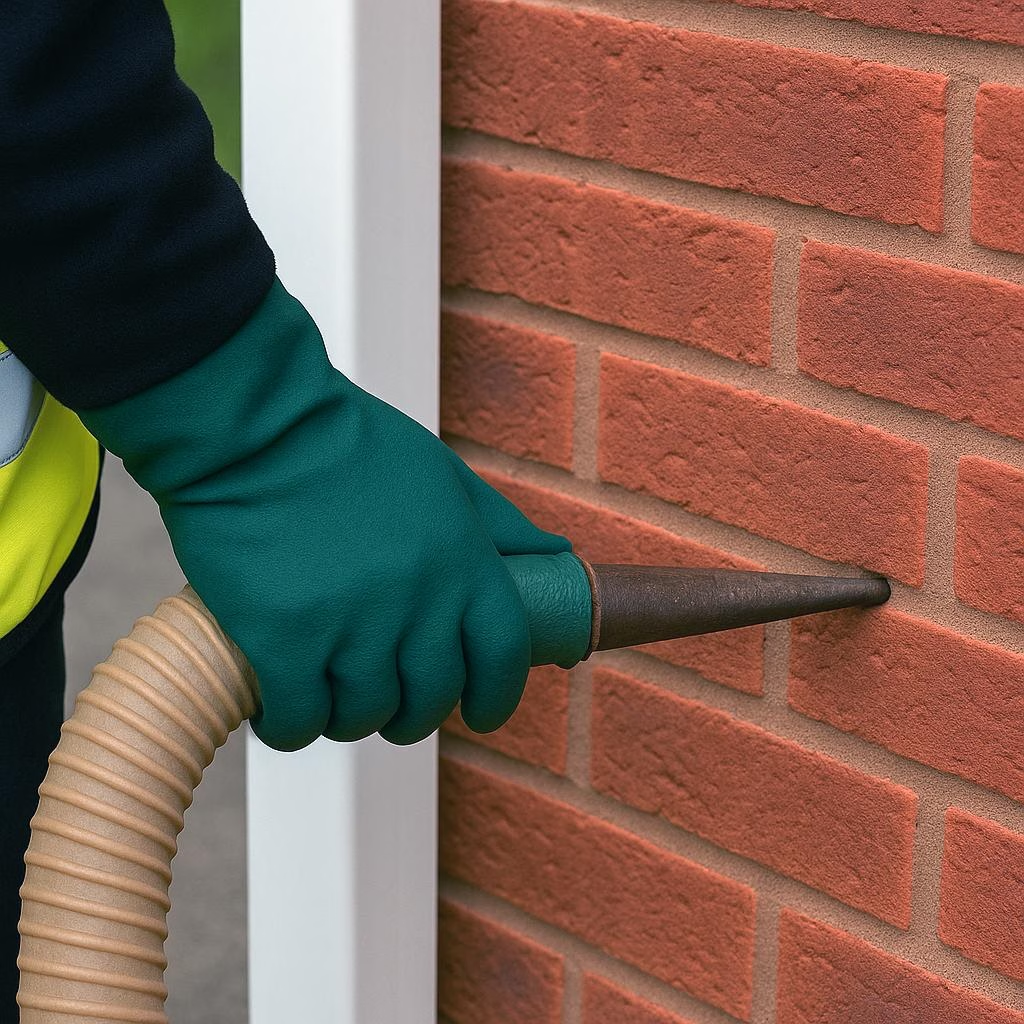
Before insulation can be installed, the walls must be prepared. This involves drilling small holes at regular intervals in the external wall. These holes provide access points for the insulation material to be injected into the cavity.
The chosen insulation material is then injected into the cavity through the drilled holes. Our team will ensure that the cavity is filled evenly and completely, avoiding any gaps or voids that could reduce the effectiveness of the insulation. Overall, the process is typically quick and can be completed in a day for most properties.
Once the cavity is filled with insulation, the drilled holes are sealed with mortar or a suitable filler to match the existing wall finish. As a result, this ensures that the wall’s appearance is not compromised and provides a neat, professional finish.
After the installation is complete, a final inspection is carried out to ensure that the insulation has been installed correctly and that there are no issues. The installer will also provide you with any necessary documentation, such as warranties or certificates of completion.
Maintaining Cavity Wall Insulation
It is also important to carry out regular checks of your cavity wall insulation to ensure its long-term effectiveness. Here are some tips for maintenance:
We advise that you inspect your walls for any signs of damage, dampness, or deterioration. If you notice any issues, you can contact us to assess and address the problem ASAP.
Ensure that your home is adequately ventilated to prevent condensation and moisture buildup, which can affect the insulation’s performance. Any leaks or damp issues can be fixed promptly to avoid compromising the insulation.
Be cautious when drilling or making modifications to the walls to avoid damaging the insulation. However, if you need to install fixtures or fittings, just be careful to ensure that the insulation remains intact.
Conclusion
Cavity wall insulation can be a crucial component of creating an energy-efficient home, offering numerous benefits, including reduced energy consumption, reduced bills, better temperature stability, soundproofing, and increased property value. Therefore, by understanding the different types and the installation process, you can be more informed when it comes to improving your home’s thermal performance.
Ultimately, in today’s world, where energy efficiency and environmental sustainability are paramount, insulation stands out as a practical and beneficial home improvement. Therefore, see if your home can benefit from cavity wall insulation and speak with one of our representatives today.