
External Wall Insulation (EWI)
External Wall Insulation (EWI) has become one of the most effective ways to improve the energy efficiency, comfort, and appearance of properties across the United Kingdom. With rising energy prices, stricter building regulations, and the UK’s commitment to reducing carbon emissions, more homeowners and property developers are turning to EWI as a long-term retrofit solution.
This article explains everything you need to know about external wall insulation in the UK – including how it works, the types of materials used, costs, benefits, installation processes, building regulations, potential drawbacks, and whether it is worth the investment.
What Is External Wall Insulation?
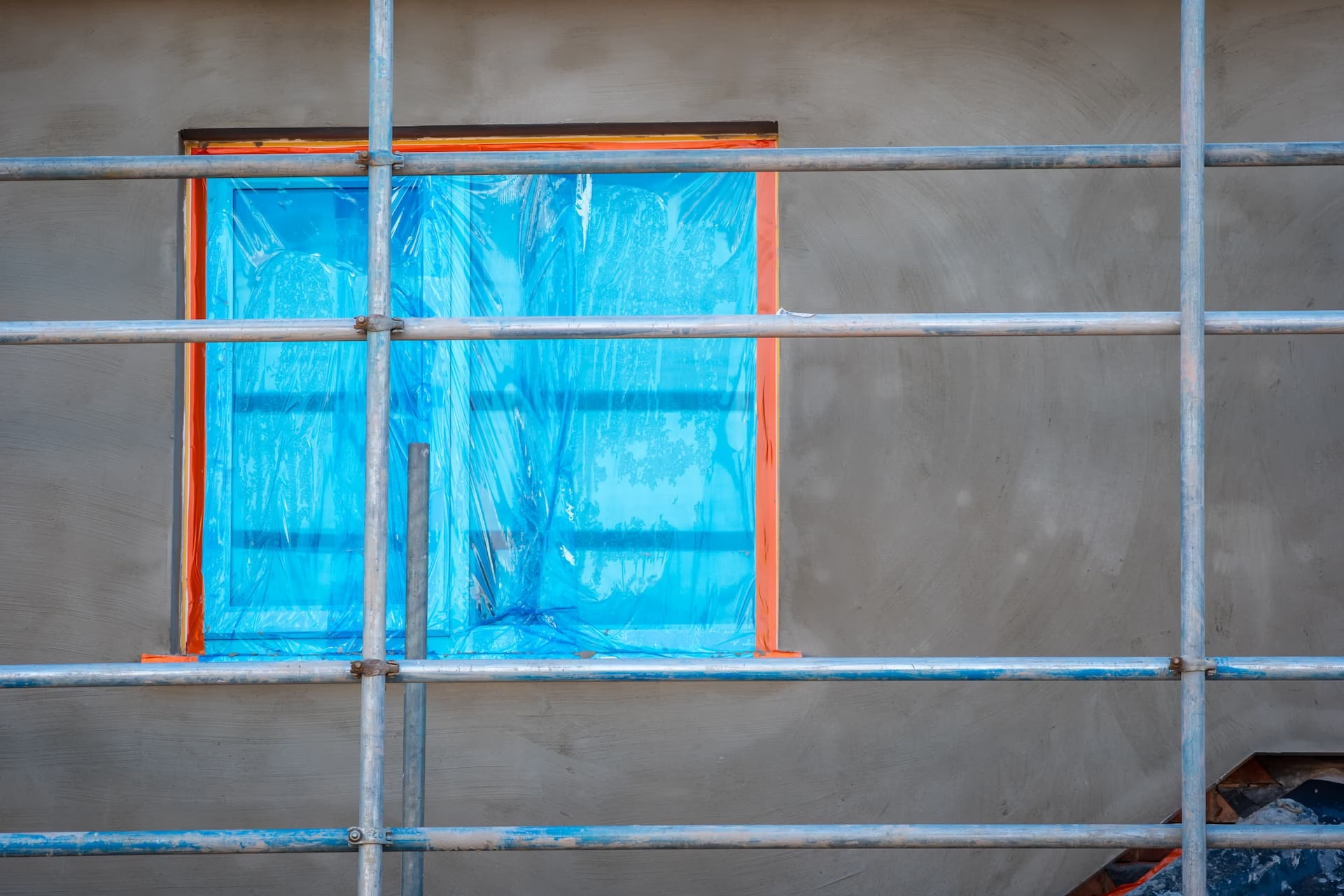
External Wall Insulation (EWI) is a building retrofit system that involves fixing insulation materials to the exterior walls of a property and covering them with a protective render or cladding finish. This creates a thermal barrier that significantly reduces heat loss through the building envelope.
Most systems consist of three main key layers:
- Insulation attached to the external walls
- Reinforcing mesh and base coat to strengthen the system
- Render to protect the insulation and provide the final finish
Once installed, EWI effectively wraps the building in an insulating “coat”, keeping warmth inside during winter and reducing overheating in summer.
External insulation is particularly suitable for solid wall properties, which are common in homes built before the 1920s and typically lack cavity wall insulation.
Why External Wall Insulation Is Important in the UK
A significant proportion of UK housing stock was built before modern insulation standards existed. Many properties – particularly Victorian and Edwardian homes – have solid brick or stone walls, which allow heat to escape easily.
Solid walls can lose up to one third of a building’s heat, making them one of the biggest sources of energy inefficiency in older homes. External wall insulation dramatically reduces this heat loss.
Installing EWI can:
Energy efficiency upgrades such as wall insulation are becoming increasingly important as the UK moves toward net-zero carbon emissions targets.
The EWI System
The external wall insulation system installed by Fairway Energy is a multi-layered premium mineral wool system for standard solid brick walls. Due to its excellent fire resistance, breathability and insulating capabilities, Mineral Wool insulation systems are an industry standard choice and is often used on retrofit schemes because of its all-round performance.
The entire system typically adds around 110-120mm thickness to the outside of the building. When installed on a solid wall, 110 mm of mineral wool can achieve a U-value of 0.30 W/m²K – in simple terms, this means it slows down how much heat escapes through the wall, helping keep your home warmer and more energy efficient.
Its open-pore stone wool structure means the material contains lots of tiny air pockets. Technically, these pockets improve thermal insulation and absorb sound waves, but in everyday terms, it helps keep heat in while also reducing noise from outside, making the space more comfortable and quieter.
EWI System Full Layers Described
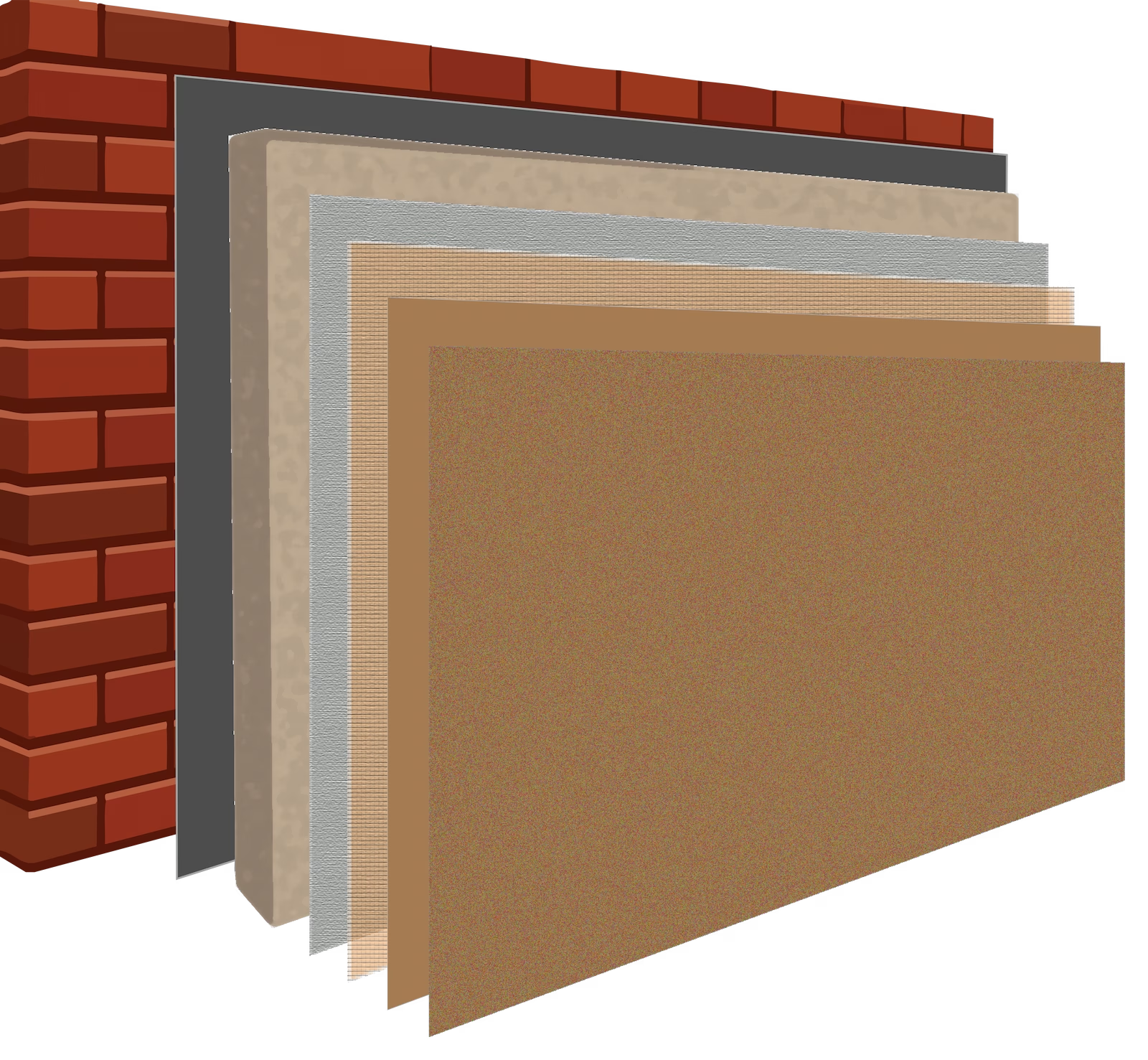
Together, these layers create an energy-efficient, moisture-resistant, and breathable external wall insulation system.
How External Wall Insulation Works
The principle behind EWI is straightforward: it creates a continuous insulation layer outside the building structure.
Step-by-step process
- Existing surfaces are cleaned and repaired.
- Cracks, damaged render, and loose masonry are fixed.
Benefits of External Wall Insulation
External wall insulation significantly reduces heat loss through external walls, helping households use less energy for heating.
Studies suggest EWI can reduce heating costs by 20–30% depending on the property.
External Wall Insulation Savings
Energy savings depend on property type and heating system.
According to the Energy Saving Trust, typical estimated annual savings include:
- Detached house: up to £420 per year
- Semi-detached house: around £240 per year
- Mid-terrace house: around £140 per year
These savings can increase if energy prices rise.
Grants and Funding for External Wall Insulation
Government schemes have historically supported insulation upgrades.
Past and current schemes include:
- Energy Company Obligation (ECO)
- Great British Insulation Scheme (GBIS)
- Warm Homes: Local Grant
- Local authority retrofit programmes
Building Regulations for EWI in the UK
External wall insulation must comply with UK Building Regulations, including:
- Part L – Conservation of Fuel and Power
Ensures adequate thermal performance. - Part B – Fire Safety
Requires appropriate fire-rated materials for certain buildings.
Planning permission
Usually not required for standard homes, but may be needed if:
- The building is listed
- The property is in a conservation area
- The appearance changes significantly
Potential Disadvantages of External Wall Insulation
Although EWI offers many benefits, it also has some considerations.
- Installation complexity
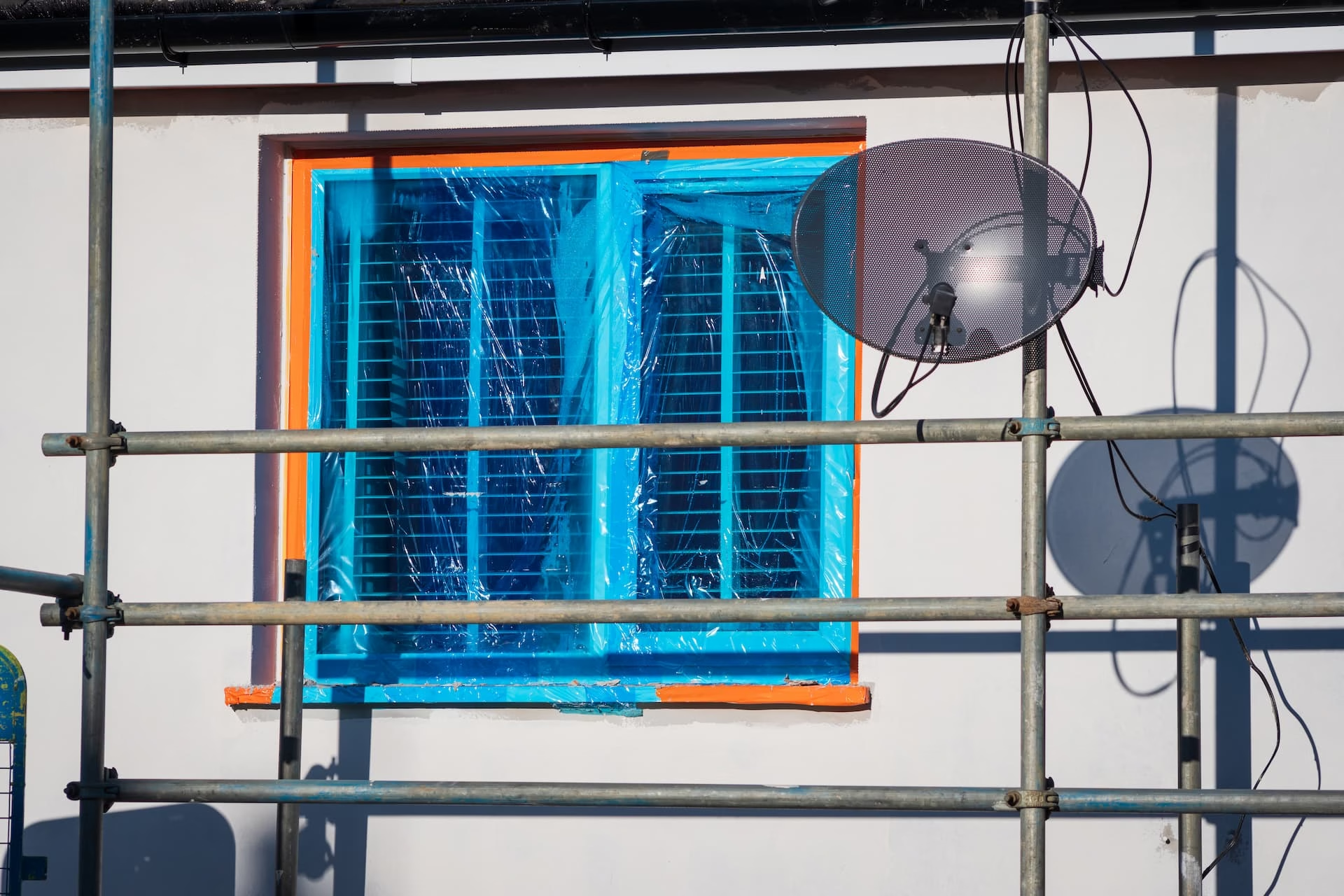
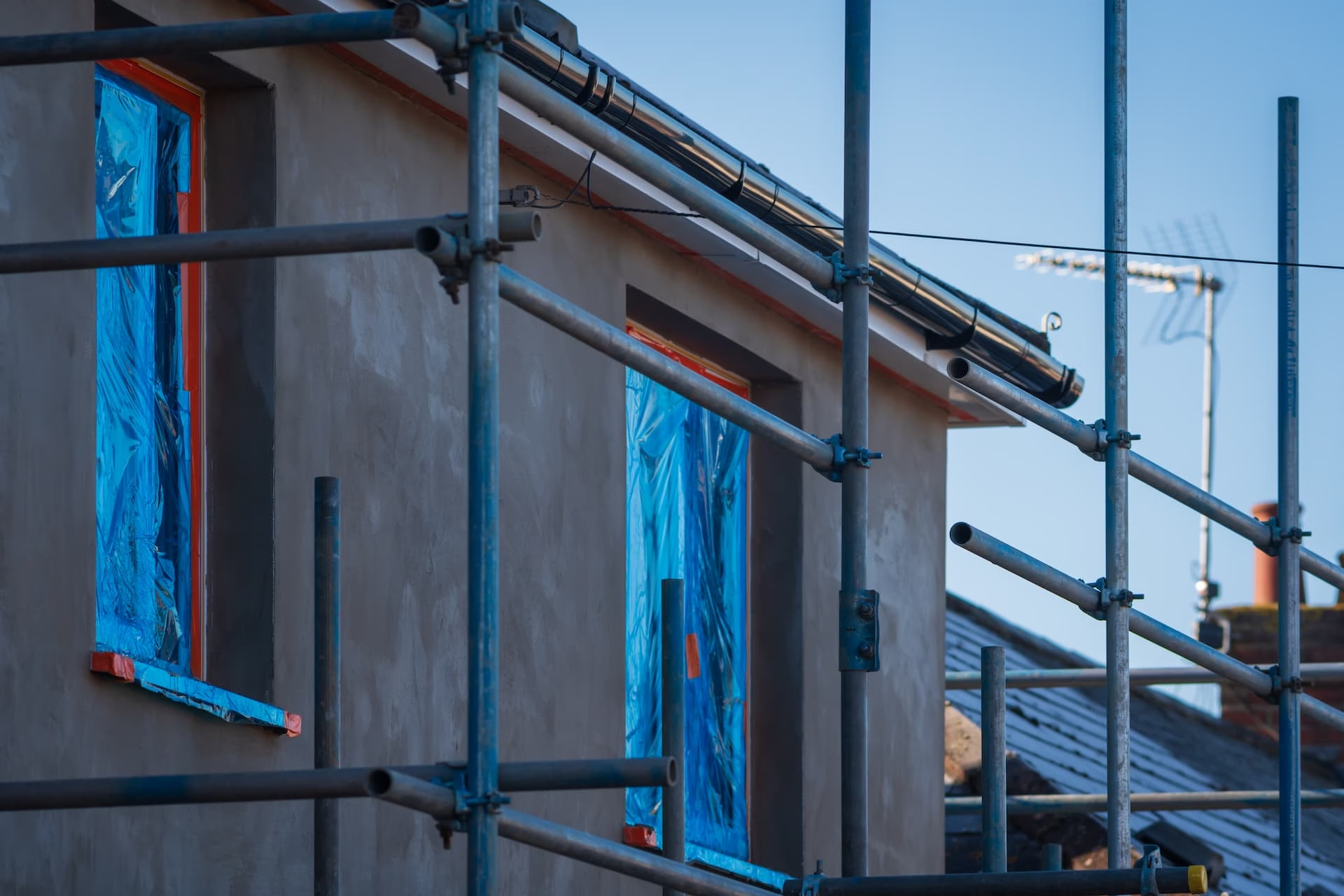
EWI must be installed by qualified specialists to avoid issues such as trapped moisture and scaffolding will need to be erected outside of your home. - Changes to external features
Items that may need adjustment include:- Window sills
- Downpipes
- Roof overhangs
- External lights
- Planning restrictions
Listed buildings and heritage properties may face restrictions.
Importance of Professional Installation
External wall insulation should always be installed by experienced contractors.
Certified installers such as Fairway Energy will:
- Assess the building condition
- Design the correct system
- Ensure proper ventilation
- Provide relevant guarantees
Poor installation can cause problems such as damp or mould, so quality workmanship is essential.
External Wall Insulation vs Internal Wall Insulation
| Feature | External Wall Insulation | Internal Wall Insulation |
|---|---|---|
| Installation location | Outside walls | Inside rooms |
| Disruption | Minimal | Significant |
| Floor space loss | None | Reduces room size |
| Cost | Higher | Lower |
| Appearance | Improves exterior | No change |
External insulation is sometimes preferred for solid walls as it maintains internal living space. However, internal wall insulation offers several practical advantages: it is quicker to install, avoids altering the building’s appearance, and is well suited to properties with external restrictions, such as listed buildings or those in conservation areas.
Because IWI is applied internally, rooms also heat up more quickly, improving responsiveness to heating. In addition, IWI can be installed on a room-by-room basis, allowing for greater flexibility and reduced disruption during installation.
Is External Wall Insulation Worth It?
For many UK homeowners – especially those living in solid wall properties – external wall insulation is an effective way to improve energy efficiency.
The main advantages include:
- Long-term energy savings
- Increased comfort
- Reduced carbon footprint
- Improved kerb appeal
- Increased property value
Conclusion
External Wall Insulation (EWI) is a powerful retrofit solution that addresses one of the biggest causes of heat loss in UK homes – poorly insulated solid walls.
By wrapping a building in a high-performance insulating layer, EWI can dramatically improve thermal efficiency, reduce energy bills, and enhance the overall appearance of a property.
With rising energy costs and growing demand for energy-efficient housing, external wall insulation is likely to remain one of the most important home improvement upgrades available to UK homeowners.